In today’s digital-first world, service reliability is no longer a choice, but a requirement. Whether you’re using cloud computing platforms, outsourcing IT support, internet service providers, or internal service teams, service reliability directly impacts revenue, customer satisfaction, and trust.
But how does an organisation ensure that service expectations are clearly defined and met?
The answer is simple: a Service Level Agreement.
A Service Level Agreement is the backbone of a service provider’s accountability to a customer. It is a way to turn vague service promises into concrete, enforceable agreements. In this guide, we will discuss what a Service Level Agreement is, why it’s important, and the key components, examples, and best practices for creating a Service Level Agreement.
What Is a Service Level Agreement (SLA)?
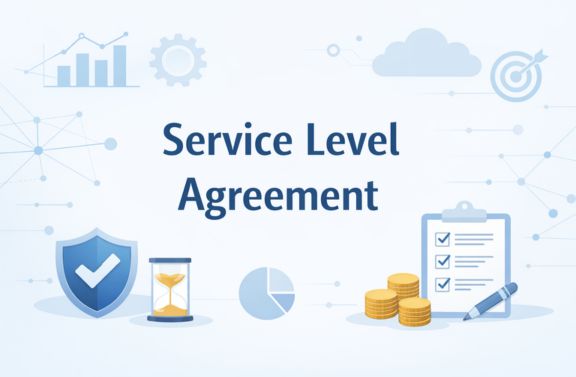
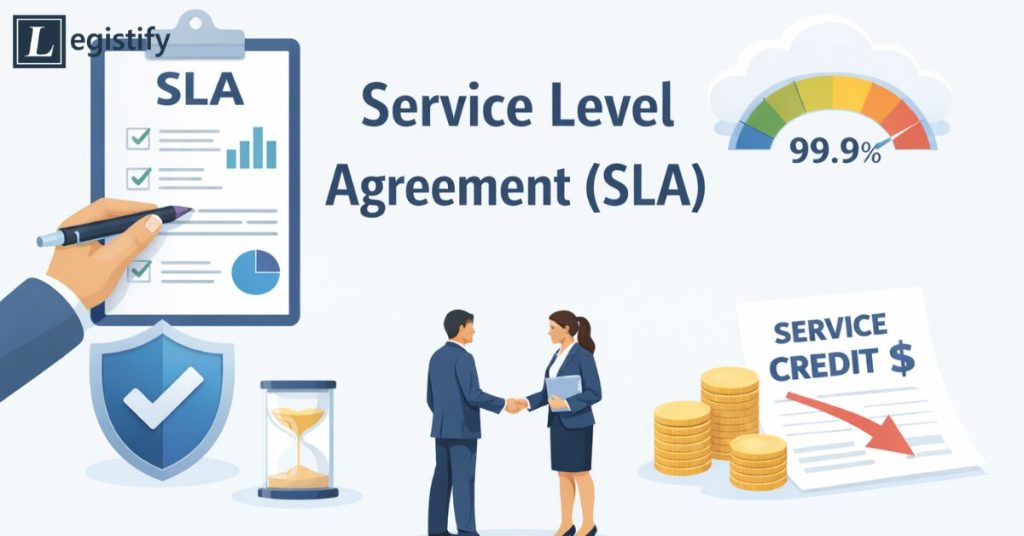
A Service Level Agreement, or SLA (sla full form – Service Level Agreement), is a legally binding agreement between a service provider and a customer that describes the service level. It is a written agreement that describes service performance standards, measurable service levels, and service responsibilities.
In simple terms, the service level agreement meaning refers to a contract that clearly defines how a service should perform and what standards must be met.
A Service Level Agreement is essentially a response to four key questions:
- What is the service to be provided?
- How will service performance be measured?
- What are the responsibilities of the service provider and the customer?
- What are the consequences if the service level targets are not met?
A Service Level Agreement is used in a variety of service areas, such as:
- Cloud computing
- IT services
- SaaS service
- Outsourcing
- Managed services
- Internet service providers
- Service departments
A Service Level Agreement is usually an external agreement, which is between a service provider and a customer. It can also be an internal agreement, which is between departments of the same firm.
Without a Service Level Agreement, service performance is vague. With a Service Level Agreement, service performance is quantifiable.
Why Are SLAs Important?
Service Level Agreements are very important because they provide clarity, accountability, and risk protection. In corporate environments, sla meaning in corporate usually refers to measurable commitments that define how services will be delivered and maintained.
1. Clear Expectations
Service Level Agreements provide clarity by specifying the level of service that the customer can expect.
2. Performance Accountability
Service Level Agreements provide accountability by specifying the performance metrics of the service provider.
3. Risk Mitigation
Service Level Agreements provide risk mitigation because they clearly specify the remedies, penalties, and escalation procedures.
4. Better Vendor Management
Service Level Agreements provide effective vendor management by specifying the performance metrics of the service provider.
5. Dispute Resolution
Service Level Agreements provide a clear basis for resolving any disputes regarding the performance of the service provider.
Overall, Service Level Agreements protect the interests of both the service provider and the customer by clearly specifying the performance metrics of the service provider.
Key Components of a Service Level Agreement
Despite the industry differences in which they are used, the general components of a Service Level Agreement include the following:
1. Service Description
This component of the SLA clearly describes the services that are being rendered. In many cases, these details are formally documented in an sla document to ensure clarity and accountability.
- Description of the services
- Hours of operation
- Maintenance windows
- Exclusions
- Dependencies on customer cooperation
The description should be clear to ensure that there are no misunderstandings.
2. Performance Metrics
Performance metrics are the standards that are used to measure the level of service that is being rendered. These are usually quantified.
Examples of metrics that may be used in a Service Level Agreement include:
- Network uptime or availability
- Response time
- Resolution time
- Latency
- Error rate
- Throughput
For example, a cloud provider may promise 99.999% network uptime. This means that they have 5 minutes per year to perform maintenance.
If these targets are not met, it may indicate that the sla breached means the agreed service levels were not delivered.
3. Roles and Responsibilities
An SLA should include a description of the roles and responsibilities of the service provider and the customer.
Service Provider Responsibilities:
- To deliver the service
- To monitor the service
- To provide reports
- To maintain the infrastructure
Customer Responsibilities:
- To provide the required access or information
- To use the service appropriately
- To report problems
- To maintain the required compatibility with the systems
Many SLAs do not succeed because the roles and responsibilities of the customer were not clearly stated.
4. Monitoring and Reporting
This section of the SLA will cover:
- How performance will be monitored
- The means of monitoring performance
- The frequency of reporting
- The parties to receive performance reports
Transparency in reporting is key to building trust and preventing conflicts.
5. Penalties and Remedies
In case of a failure to meet service levels, the SLA will specify what remedies are to be applied.
Possible remedies are:
- Service credits
- Monetary compensation
- Discounts
- Termination of the agreement
For example, if the service provider fails to meet the uptime of 99.9%, the customer is to be given a credit for a percentage of the monthly fees.
6. Review and Termination Clauses
The SLA should contain:
- The frequency of reviews
- The procedures for amendment
- The conditions for termination
- The procedures for exiting
The service is likely to change, and the SLA should change with it.
Common SLA Examples
Let’s move further and explore the usage of SLAs in real-world scenarios.
Cloud Computing SLA
A cloud provider offers a 99.999% uptime guarantee. It means that if the cloud provider’s uptime drops below the guarantee, the customer will be provided with service credits.
This high uptime guarantee is a common feature of all cloud providers, as even a few minutes of downtime can affect the business of the enterprises.
IT Helpdesk SLA
Let’s consider an example of an IT support group, which has defined the priority of the tickets:
- Priority A (Critical): 30 minutes
- Priority B (High): 2 hours
- Priority C (Low): 24 hours
This way, the critical issues will be addressed immediately.
Internet Service Provider (ISP) SLA
Let’s consider the example of an ISP, which offers the following guarantees:
- Minimum download speed
- Maximum packet loss rate
Resolution of the issue within 4 hours for business customers. These practical scenarios help answer the question what is a service level agreement in real-world business environments.
Types of Service Level Agreements
SLAs can be of different types depending on the requirements of the organisation.
1. Customer-Level SLA
This type of SLA includes all the services provided to a customer.
For example, an organisation providing managed services may have one SLA for providing infrastructure support, application support, and cybersecurity services to a single enterprise customer.
2. Service-Level SLA
This type of SLA provides service-level support for a specific service to a number of customers. This is commonly referred to as what is service based sla, where the agreement applies to a particular service used by multiple clients.
For example, an organisation providing email hosting services may have an SLA for providing 99.9% uptime for all customers using this service.
3. Multi-Level SLA
This type of SLA provides a multi-level structure for an SLA.
This includes:
- Enterprise level (for the entire enterprise)
- Customer level (for the customer)
- Service level (for the service)
This structure is common in large organisations serving diverse clients with varying requirements.
SLA vs SLO vs KPI: Understanding the Difference
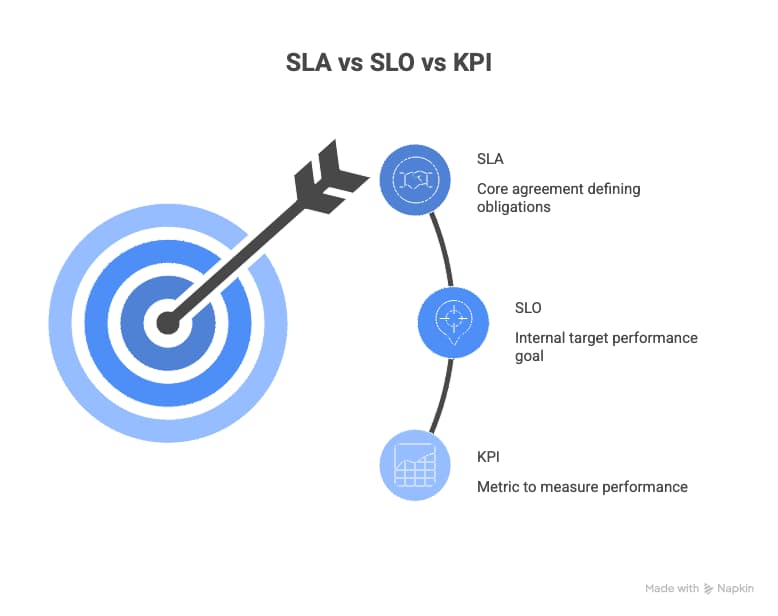
Many people confuse SLAs with related terms like SLO and KPI. In simple terms, the sla meaning in business relates to a formal commitment that defines service performance expectations.
| Term | Meaning | Purpose |
| SLA | Formal agreement | Defines contractual obligations |
| SLO | Service Level Objective | Internal target performance goal |
| KPI | Key Performance Indicator | Metric used to measure performance |
An SLA is contractual. An SLO is a performance target. A KPI is the metric used to track results.
How to Draft an Effective SLA
Drafting an effective service level agreement demands precision and practicality. The following are the best practices to follow:
1. Use Clear, Measurable Language
Avoid using vague words such as “best efforts” or “high availability.”
2. Align with Business Objectives
The metrics should reflect what is critical to the customer, not what is easy to measure.
3. Define Exclusions Clearly
Clearly define situations that do not constitute a service level agreement breach.
4. Set Realistic Targets
Exaggerated service level agreements may result in significant financial and reputational loss.
5. Include Escalation Procedures
Specify what to do if service level targets are not met.
6. Review Regularly
Technology and business environments are constantly evolving, and so should service level agreements.
Common SLA Mistakes to Avoid
Organisations often fall into common mistakes while drafting SLAs, which are avoidable. These mistakes are:
- Use of complex language
- Customer responsibilities are not clearly defined
- Measurement methodology is not included
- Uptime is guaranteed but is unrealistic
- A review clause is not included
- SLA penalties are not aligned to business impact
Avoiding these mistakes helps to build a strong legal position and effectiveness.
Conclusion
A Service Level Agreement, however, is more than a mere contractual exercise; it’s the very essence of service accountability.
In a world where downtime, slow response times, and service outages can have a direct impact on the bottom line, a Service Level Agreement brings much-needed structure, clarity, and accountability to the table.
Whether you’re a SaaS provider, a technology service provider, a buyer of IT services, or a service provider within an organisation, a well-crafted Service Level Agreement ensures that not only are the service expectations clear, but they’re also enforceable.
That’s because, in the service-driven economy of today, clarity isn’t nice to have; it’s a necessity.
Also Read
Indemnity Agreement in Contracts
What Is a Contractual Agreement?
FAQs
What is SLA with an example?
An SLA is a contract where the performance levels of the service are agreed upon. For example, a cloud service provider offers 99.9% uptime with service credits.
What is the definition of a service level agreement (SLA)?
Service Level Agreement (SLA) is a legally binding contract between a service provider and a customer where the service level is clearly stated.
How is SLA used?
SLA is used for defining service levels and enforcing the service levels with the help of measurement.
What are the three types of SLA?
The three types of SLA are customer level SLA, service level SLA, and multi-level SLA.