
- All Posts
- Contract Management
- IPR Management
- Litigation Management
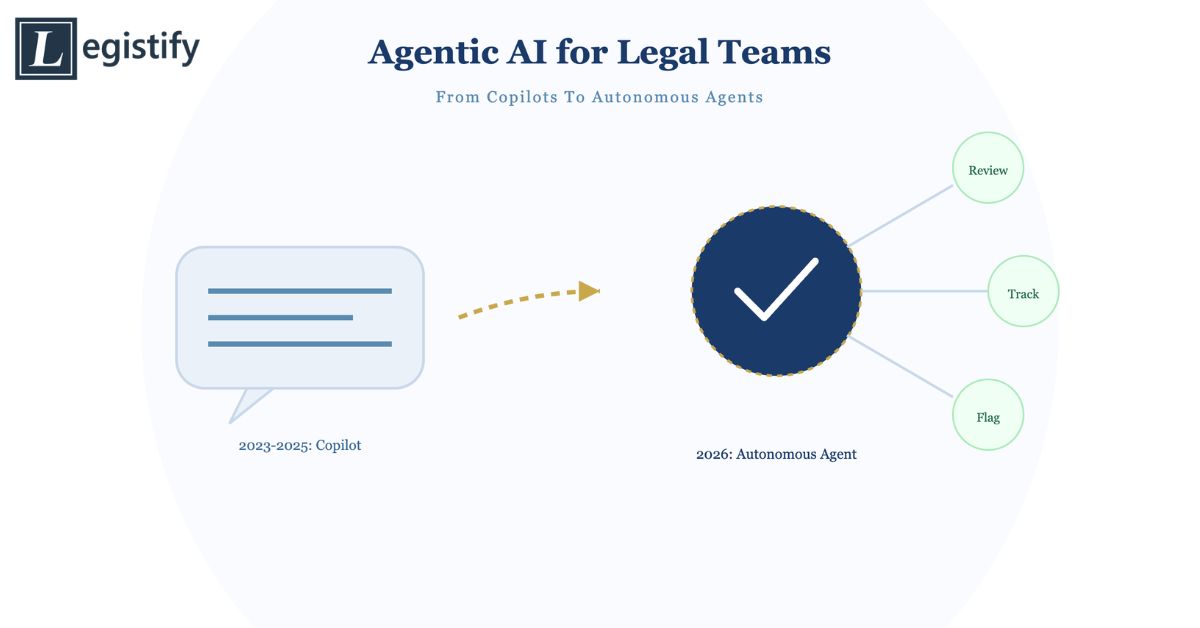
A commercial lawyer bills for judgment, not for reading the same indemnity clause for the four-hundredth time. Yet most in-house teams still spend the bulk of their week on exactly that: NDAs, vendor agreements, renewal notices, the steady drip of low-stakes paper that has to be checked but rarely surprises anyone. Legal AI moved from copilot to agent in 2026,...
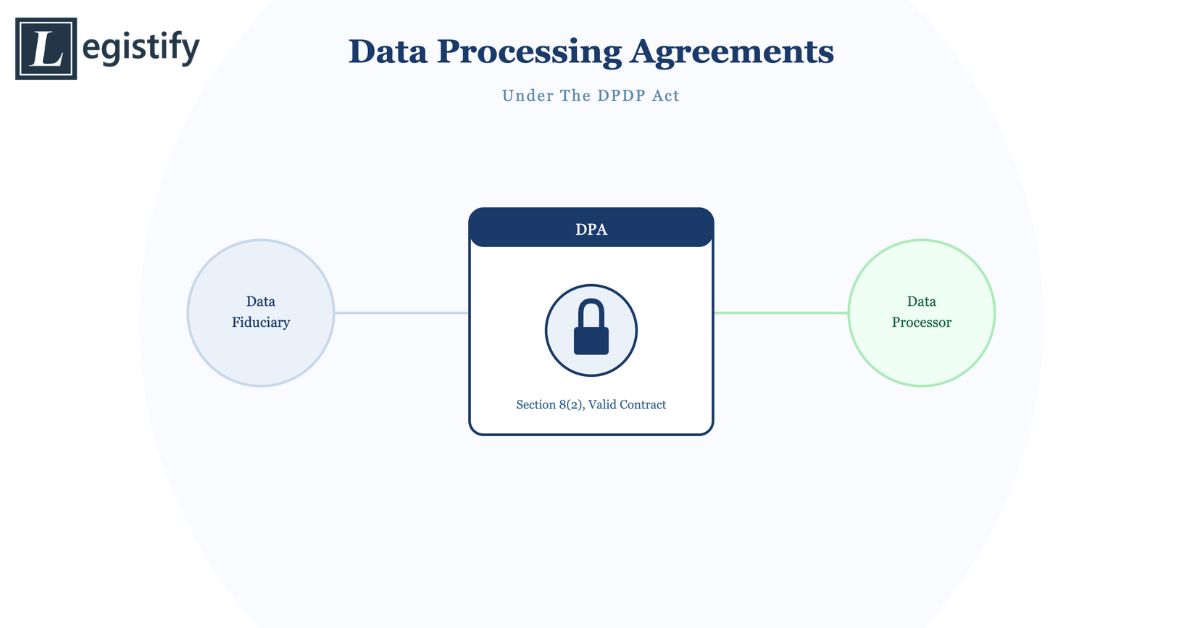
A Data Processing Agreement is the only document that stops a vendor’s data-handling failure from becoming your organisation’s own legal liability under India’s Digital Personal Data Protection Act, 2023. Under Section 8(1) of the Act, the Data Fiduciary, the organisation determining the purpose and means of processing, remains continuously responsible for compliance in relation to processing carried out on its...
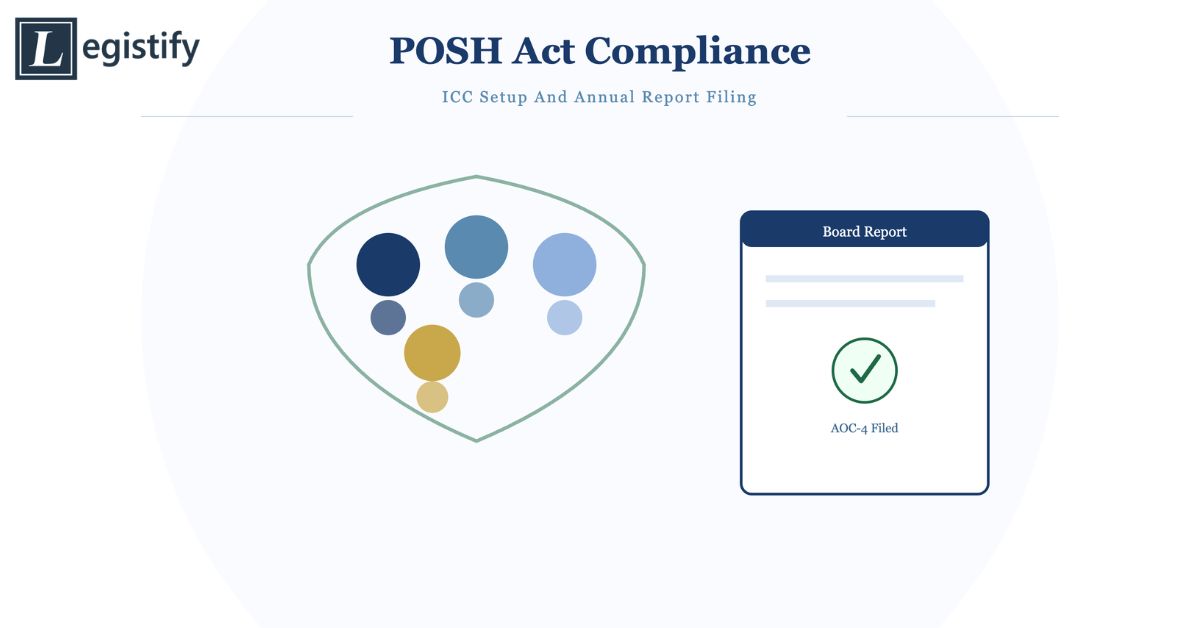
A mid-size IT company had an Internal Complaints Committee on paper. Its Presiding Officer had left the organisation eight months earlier, and nobody had reconstituted the committee. When a complaint was filed, the entire inquiry was challenged on the basis of improper constitution, the proceedings were invalidated, and the employer received a show-cause notice from the District Officer. This is...
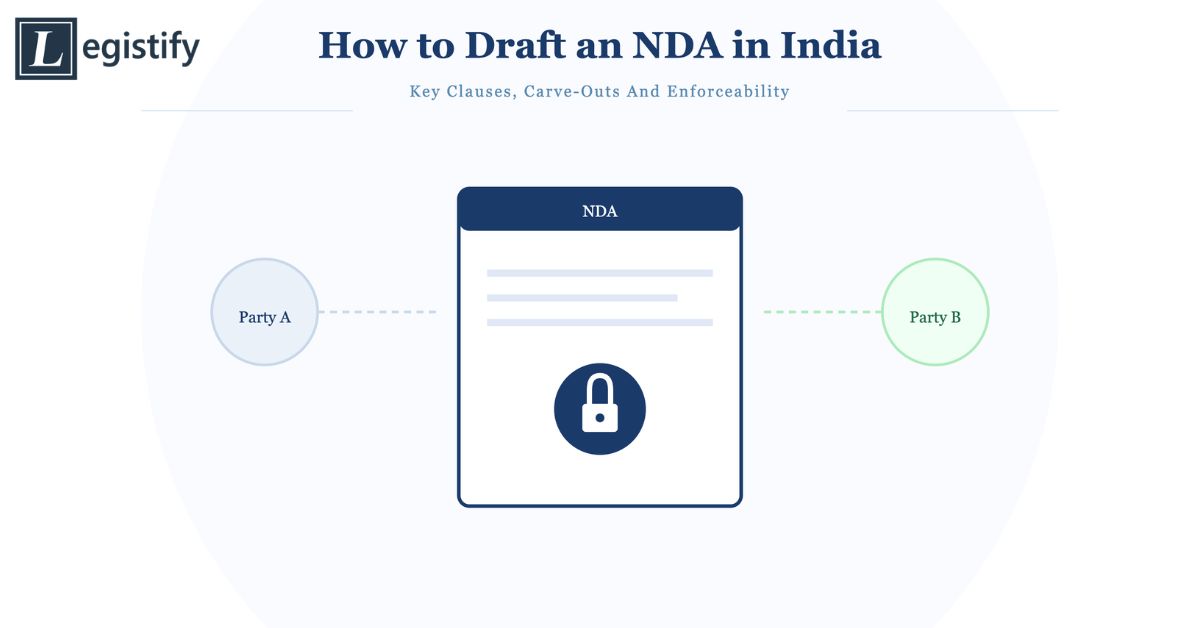
Pretty much every meaningful business conversation in India eventually runs into a Non-Disclosure Agreement. Founders share product roadmaps with investors. Employers hand financials to senior hires. Vendors exchange source code. Acquirers comb through target company books during diligence. In each of these moments, an NDA is what turns a verbal promise of secrecy into something a court can actually enforce....
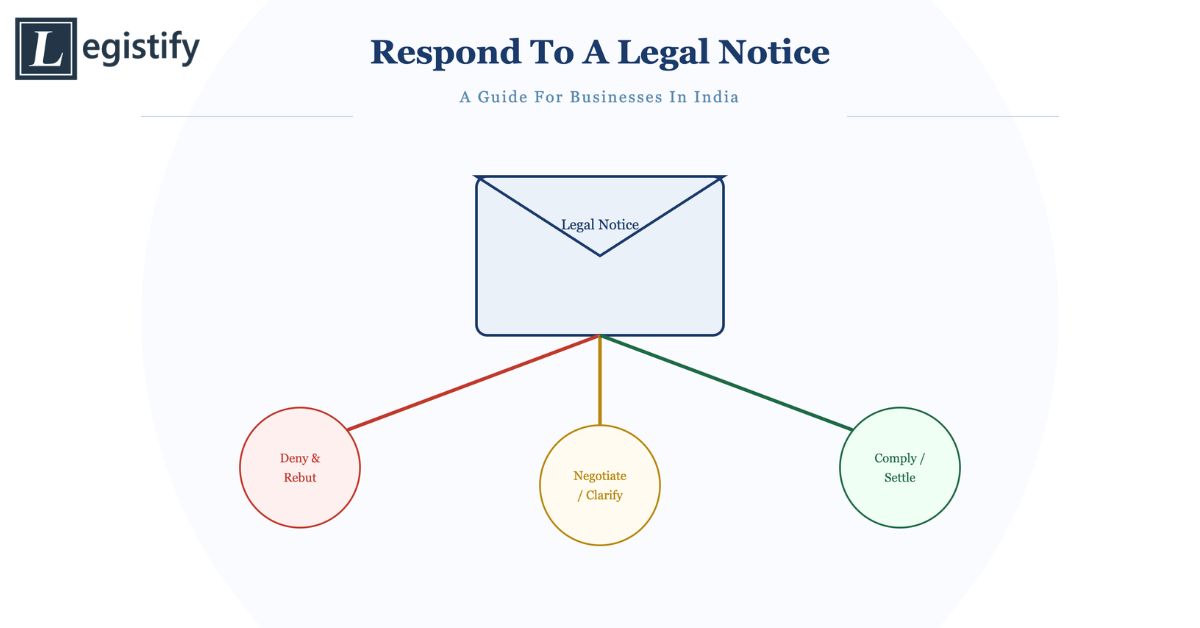
Receiving a legal notice can feel alarming, but it is important to understand what it actually is: a formal written communication, typically drafted by an advocate on a client’s behalf, informing the recipient of a grievance, demand, or intended legal action, and giving them an opportunity to respond or resolve the matter before formal litigation begins. A legal notice is...
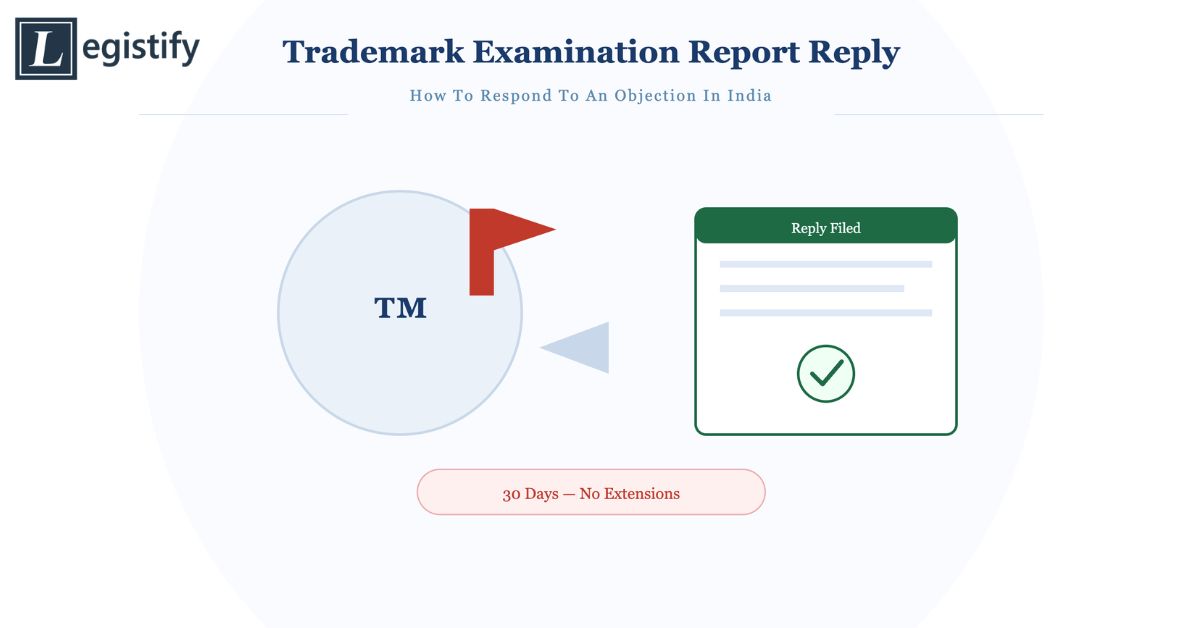
Once a trademark application is filed in India and the formalities are found in order, the Trade Marks Registry examines it and either raises no objection or issues an Examination Report. Seeing “Objected” against a trademark application understandably concerns many applicants, but an Examination Report is a routine procedural step, not a rejection. It means the examiner has specific concerns...
A Memorandum of Agreement (MOA) is a legally binding and enforceable type of contract between two or more parties. When parties sign an MOA, it constitutes a formal understanding of exactly what each party can expect from the other, with agreed objectives and a defined allocation of risk between them. Unlike its more casual cousin, the Memorandum of Understanding (MOU),...

A procurement contract is a legally binding agreement between a buying organisation and a supplier that governs the price, scope, delivery, performance, and risk allocation of a sourcing engagement. It goes well beyond what a basic purchase order provides, offering a more comprehensive, protective framework that establishes clear terms for both parties: vendor selection, product or service requirements, payment terms,...

A software license agreement is a legally binding contract between a software creator or owner (the licensor) and the party granted permission to use it (the licensee), setting out the terms under which the software may be used, distributed, and modified, without transferring ownership of the underlying software itself. Software license agreements grant usage rights, not ownership: the licensor retains...