
- All Posts
- Contract Management
- IPR Management
- Litigation Management

A clickwrap agreement is a digital contract that requires a user to actively confirm their consent, typically by clicking a button such as "I Agree" or "Accept," or checking a box, before they can access a service, complete a transaction, or create an account. Unlike passive agreement methods, clickwrap ensures that the user clearly and demonstrably acknowledges the terms before...

A ratified contract is an agreement that has been formally confirmed or approved by the parties involved, making it legally binding and enforceable. Ratification is the act of demonstrating clear, voluntary intent to be bound by an agreement, and it plays a specific and important role in two distinct contexts: confirming that both sides have finally agreed to every term...
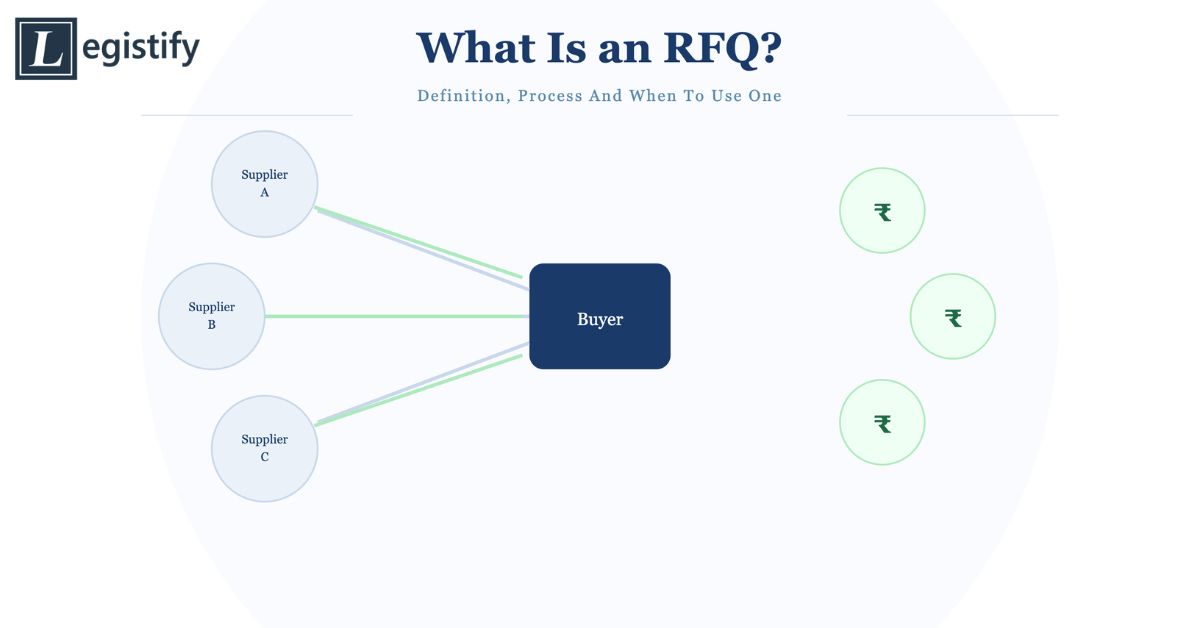
An RFQ, or Request for Quotation, is a formal procurement document used by a company or public entity to invite suppliers to submit price quotes for a clearly defined product or service. It is one of the most common tools in procurement, used specifically when the requirements are already well understood and standardised, and the primary factor in the buying...
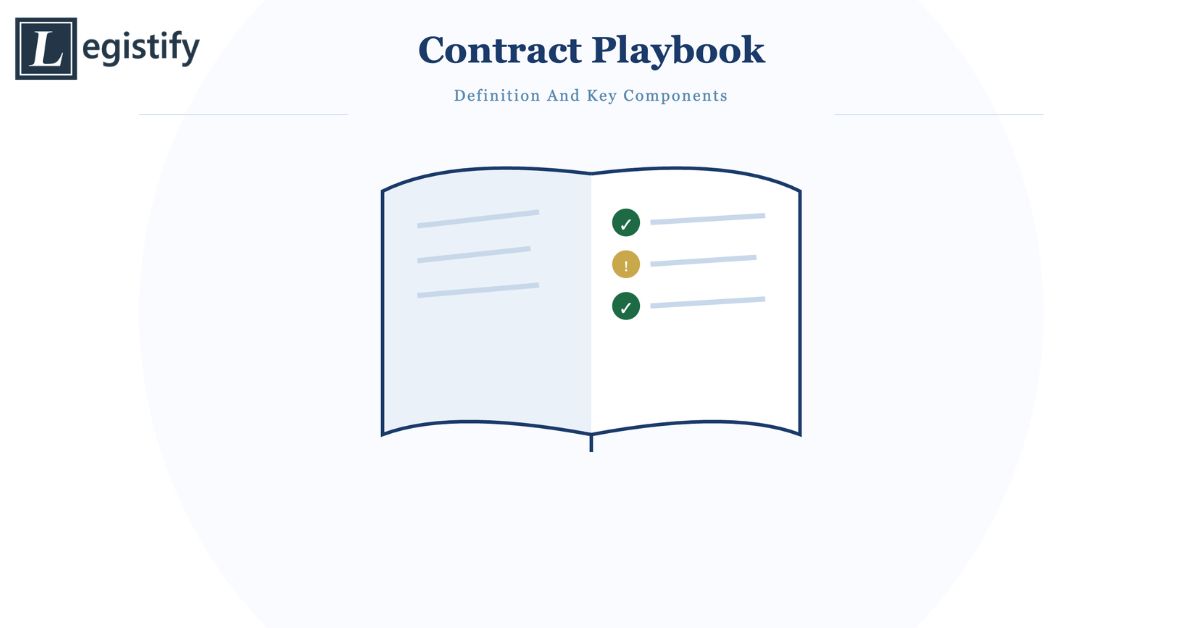
A contract playbook is a standardised set of legal and business guidelines used to review, draft, and negotiate contracts consistently across an organisation. It typically includes approved language, fallback clauses, risk thresholds, and approval routes, giving reviewers clear rules, fallback wording, and defined next steps rather than requiring every contract to be reviewed from scratch by an experienced lawyer.
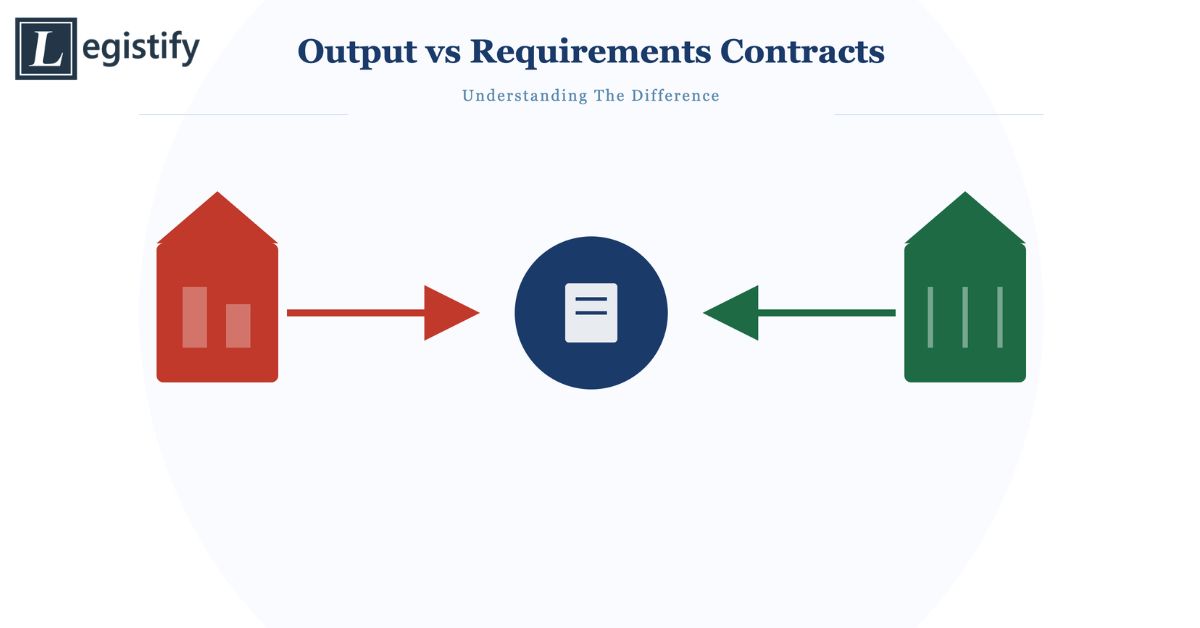
Output contracts and requirements contracts are two related but distinct categories of supply agreement used where the exact quantity of goods to be bought or sold cannot be fixed in advance. Both are legitimate, enforceable contract types under commercial law, and both solve the same underlying problem, quantity uncertainty, from opposite directions: one protects the seller's production capacity, the other...
Contract administration is the management and oversight of a contract after it has been signed and awarded, encompassing everything from monitoring performance and ensuring compliance to processing payments and resolving disputes throughout the remainder of the contract’s life. It is the operational discipline that determines whether the commitments negotiated into a contract are actually realised, or whether they exist only...
E-stamping is the electronic process of paying non-judicial stamp duty in India, replacing the traditional system of physical stamp paper purchased from licensed vendors. Instead of a watermarked paper sheet, the payer receives a computer-generated certificate carrying a Unique Identification Number (UIN) that can be verified online, making the certificate tamper-proof and instantly verifiable.
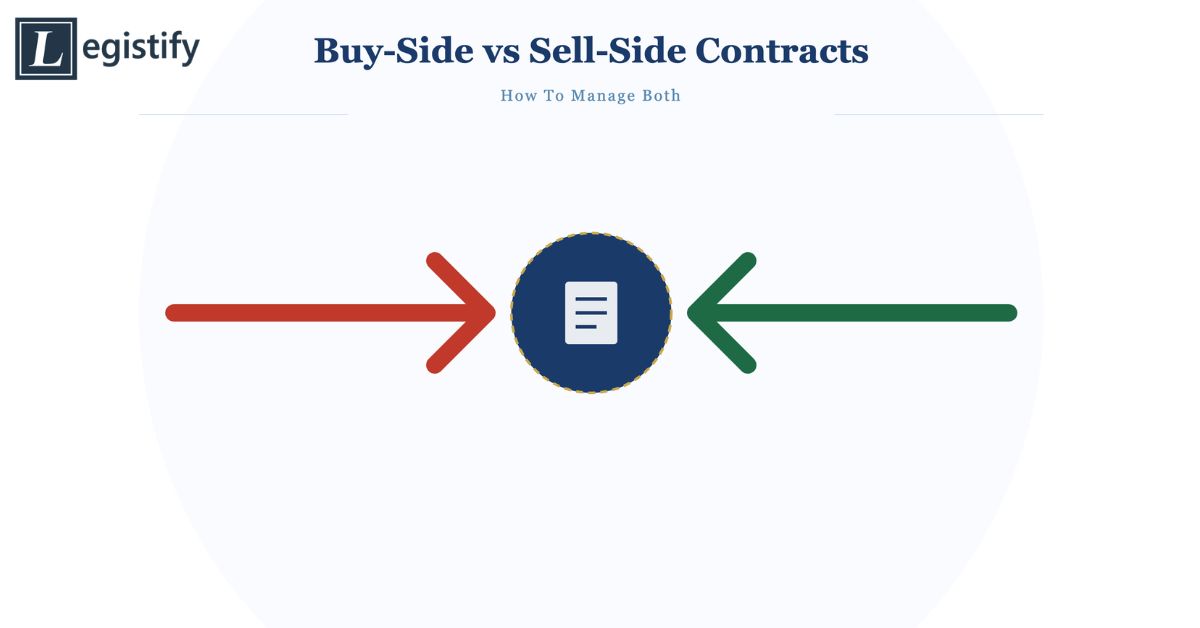
Every organisation that transacts with the outside world manages two distinct categories of contracts: buy-side contracts, where the organisation is procuring goods or services, and sell-side contracts, where the organisation is providing goods or services to customers. The distinction sounds simple, but the two categories carry different objectives, different stakeholders, and different risk profiles, and most organisations manage them through...
A standard contract is a pre-written agreement in which the terms and conditions are set in advance by one party, typically the party with greater bargaining power, and offered to the other party on a take-it-or-leave-it basis, with little or no opportunity to negotiate individual terms. Standard contracts are also known as adhesion contracts, boilerplate contracts, or form contracts.