What Is an Electronic Signature? Meaning, Validity, and Benefits
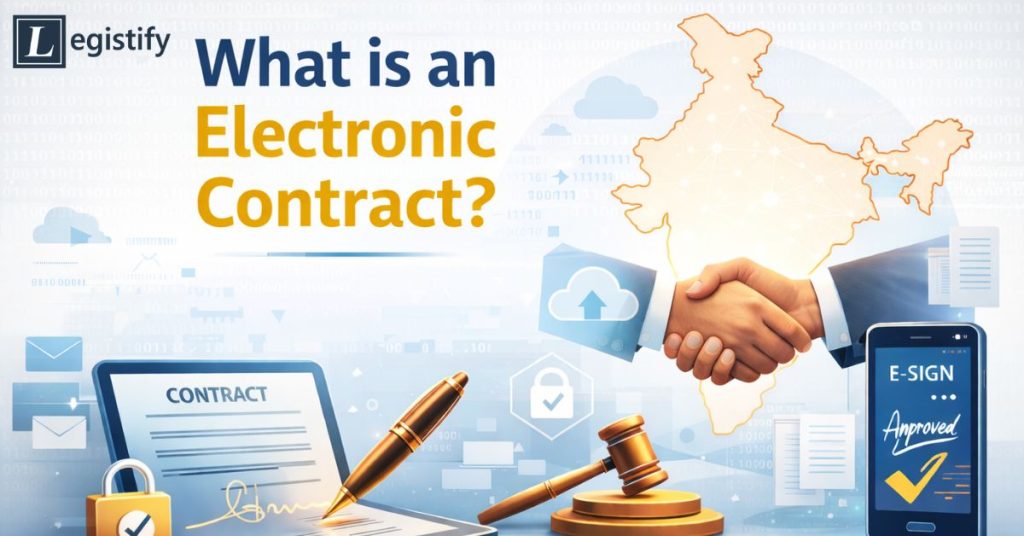
Paperwork no longer has to mean piles of paper. With electronic signatures, you can sign documents online in just a few clicks. No printing, no scanning, no hassle. Whether it’s a business contract or a government form, e-signatures are fast, safe, and legal. You can sign documents anytime, anywhere, using your phone or laptop using an electronic signature online platform. What Is an Electronic Signature? An electronic signature, or e-signature, is a digital way to demonstrate a person’s consent or approval of an electronic document—in simple terms, this answers the question: what is an electronic signature. It can range from a simple “I agree” click to a complex cryptographically verified digital signature, which provides advanced security features. Essentially, an e-signature assists in proving three important aspects: These three aspects combine to make electronic signatures a trustworthy and accepted means of digitally signing documents and clearly explain the difference between digital signature and electronic signature in terms of security level and use cases. Types of Electronic Signatures 1. Simple Electronic Signature (SES) This is the most basic method of signing a document online. It includes: The SES method is best suited for low-risk documents, internal approvals, or when a high level of legal proof is not necessary. 2. Advanced Electronic Signature (AES) This type of signature is more secure and reliable. It involves additional security measures such as verification of identity and encryption to ensure the security of the signing process. It assists in ensuring that: AES is widely used in business contracts and documents related to compliance 3. Qualified Electronic Signature (QES) This is the most secure and legally strong type of electronic signature. It usually includes: QES is best for important, high-value, or legally regulated documents where strict compliance is required. Are Electronic Signatures Legally Valid? Yes, they are. Electronic signatures are recognized as legal in many countries across the globe, provided a few simple requirements are met. What does this mean in simple terms? Once these requirements are met, the electronic signature is considered the same as a handwritten signature and can be enforced under the law. Legality of Electronic Signatures in India Yes electronic signatures are completely legal in India They are recognized under the Information Technology Act, 2000, which states that electronic documents and signatures will be given the same status as paper documents and handwritten signatures, provided the necessary formalities are complied with. Commonly Accepted Forms in India The most commonly used and accepted forms of e-signatures in India are: These ensure the identity of the signing individual and also secure the document. Where Electronic Signatures Are Used Electronic signatures are widely used for: Due to this legal recognition, e-signatures have become an integral part of India’s digital governance system and have made document processing faster, easier, and paperless. Documents Where E-Signatures May Not Apply Although e-signatures are sufficient for most types of paperwork, there are some documents that require a physical (handwritten) signature due to legal requirements. These typically consist of: In these cases, a physical signature is still necessary to ensure the document is valid. In summary: most paperwork can be signed online but a few important documents still require pen and paper. How Electronic Signatures Work Using an electronic signature is quite easy and simple. Here’s how it is done, including how to electronic signature PDF documents securely: 1. Upload the document The document that is to be signed is uploaded to an e-signature platform. 2. Verify the signer’s identity The system checks who the signer is. This can be done through email verification, OTP, Aadhaar-based verification, or a digital certificate. 3. Sign the document online The person signing the document adds their e-signature by clicking a button, typing their name, drawing their signature, or using a secure digital signature. This explains how to make an electronic signature. 4. Create an audit trail The system automatically records information such as date and time of signing, IP address, and activity logs. All these steps combined make the process secure, transparent, and valid, which is why electronic signatures are trusted for signing documents online. Common Uses of Electronic Signatures 1. Business & Corporate Electronic signatures simplify business operations. They are used for: 2. Financial Services In banking and financial institutions, e-signatures simplify approval and customer onboarding processes. They are used for: 3. Real Estate In real estate, e-signatures are commonly employed for: 4. Government & Compliance Government agencies and regulated sectors employ e-signatures for: In general, e-signatures help cut down on time and paperwork for approvals in various sectors Benefits of Using Electronic Signatures 1. Faster & More Efficient Documents can be signed in just a few minutes instead of taking days. This speeds up approvals and saves a lot of time. 2. More Secure E-signatures come with security features like audit trails and tamper alerts, which help prove the document is genuine and prevent misuse. 3. Saves Money No need to print, scan, courier, or store paper documents. This cuts down on extra costs and paperwork. 4. Easy & Convenient You can sign documents from anywhere, using your phone, laptop, or tablet making the whole process simple and stress-free. Electronic Signature vs Handwritten Signature Aspect Electronic Signature Handwritten Signature Speed Signed and completed instantly Takes more time to print, sign, and send Security Secure with audit trails and encryption Easier to copy, forge, or alter Cost Very low cost—no paper or courier needed Extra costs for printing, courier, and storage Convenience Can be signed anytime, from anywhere Needs physical presence and paperwork Conclusion By using electronic signatures, organisations can work faster, cut down costs, and finish approvals much quicker without losing legal validity or security. As more work goes digital, e-signatures are no longer just a nice extra. They’ve become a must-have for modern businesses. FAQs
What Is an Electronic Signature? Meaning, Validity, and Benefits Read More »