IP management software is software that helps a business capture, evaluate, file, track and manage its intellectual property, such as patents, trademarks, copyrights and designs, in one system. It keeps deadlines, documents and costs visible, controls who sees confidential information, and gives leadership a clear view of the IP portfolio.
Intellectual property (IP) is one of the most prized possessions of a business. It brings innovative products and services to the market, and it protects a business from other companies through copyrights, patents, and trademarks. IP takes the form of novel inventions, literary works, artistic works, technical innovations, or any other distinctive form of property with intellectual value for the business.
IP falls under the category of a company’s intangible assets, and for many businesses it is among the most valuable assets they hold. Legal protection of IP grants a business exclusive rights to benefit from its intangible assets: patents and copyrights secure exclusive ownership over innovations, while a strong trademark builds reputation among consumers and helps grow the customer base. The quantity and quality of the IP a business holds shape its overall value, which is why businesses protect their IP carefully, and share it strategically as they grow, while maintaining clear ownership rights.
IP Management Software: Goals
As companies invest more in protecting their intellectual property, IP management software has become an increasingly common part of that strategy. With advances in technology and information systems, protecting and managing a business’s intellectual property is far easier and more convenient than it once was. IP management software secures your IP data, streamlines processes, and protects your business’s most critical assets. The main goals that intellectual property management software helps a business achieve are:
- Optimising workflows by streamlining and automating processes related to portfolio management, freeing up time for strategic decisions.
- Reducing risk through data integrity mechanisms and IP governance rules that protect your data and support compliance with global legislation.
- Enabling effective collaboration by connecting the right people at the right time to help secure the business’s IP.
- Protecting innovative products and services from infringement or misuse.
- Increasing the visibility and market value of the business.
- Providing easy access to technical and business knowledge tied to the IP portfolio.
IP Management Software: Features
One of the essential features of IP management software is patent analytics, which plays an important role in the patent mining process. Some of the other core features to look for include:
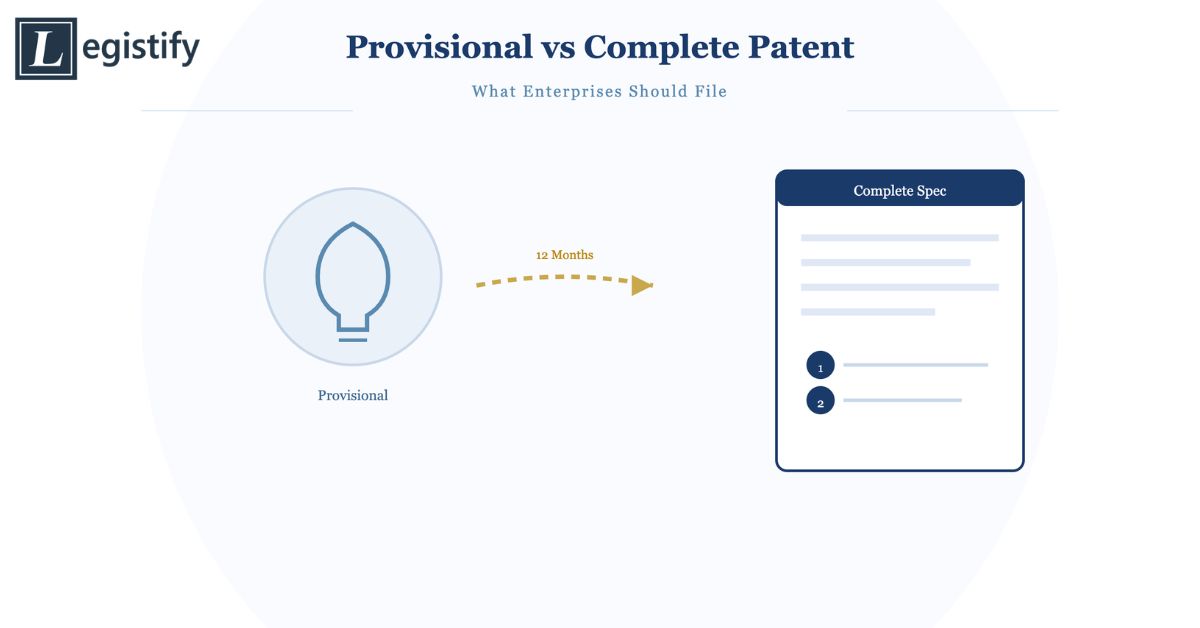
- Intuitive Idea Submission Form: Also known as an Invention Disclosure Form (IDF), this should be simple, intuitive, and engaging. It captures all the necessary details of an invention, requiring the innovator to describe the problem, the proposed solution, and how it improves on existing approaches. This form should always be kept as straightforward as possible.
- Customisable Idea Capture Form: Good IP management software allows the IDF to be customised to an organisation’s specific needs, offering the common fields most organisations use while also allowing additional fields to be added. This flexibility is worth looking for when evaluating software.
- Effective Collaboration: The software should let users make changes, share access with others, and track those changes as they happen, enabling multiple stakeholders to discuss and refine an idea together through real-time collaboration.
- Thorough Evaluation Made Easy: Collaborators reviewing a given patent should be able to exchange input directly within the software, adding comments as they evaluate the application.
- Role-Based Access: This is an essential feature of good IP management software, restricting access to patent information based on a user’s role within the business. This ensures confidential information stays visible only to the relevant individuals.
- End-to-End Tracking: This process-driven feature tracks the various stages of IP management, from the inception of an invention through patenting and beyond. An efficient IP management tool tracks:
- Capturing the data
- Evaluating the invention idea
- Drafting the patent application
- Filing the patent application
- Managing the patent portfolio
- Automatic Updates: Good IP management software should notify your team automatically as a patent application progresses, including any rejections received, keeping everything visible in one place.
- Cost Estimation: Knowing the likely cost of patenting an invention, along with the average allowance rate in the relevant domain, makes patenting decisions easier. Some tools use fee schedules and historical data to estimate these costs and support budget planning. Treat the figures as estimates.
- Tagging: Tagging patents with relevant keywords makes it easy to filter and locate patents tied to a particular technology or business function, by searching a few related terms.
- Case Analytics: This feature gives a general sense of how similar patent applications have fared, and offers insight into the track record of the law firm handling a given patent. This helps a business estimate where its application stands and plan its strategy accordingly.
- Detailed Examiner Analytics: Understanding the examiner assigned to a given patent application helps a law firm take the most effective approach to prosecution. Examiner analytics, where available, supports better strategic decisions here.
- Dashboard: A good IP management platform should offer a dashboard giving an overview of all submitted patents, likely rejections, and the overall inventory, supporting faster, better-informed decisions.
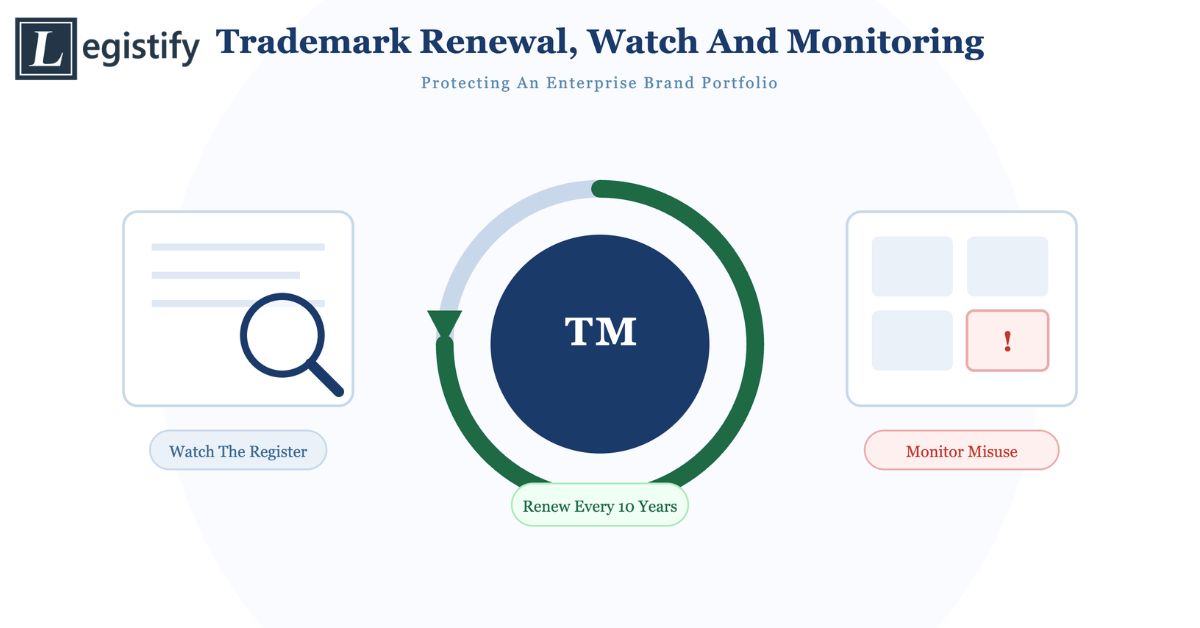
- Trademark Search and Watch: For brands, look for search tools that check a mark against existing marks, including similar sounds and images, before filing, and tools that watch for new filings that conflict with yours.
- Renewal and Deadline Tracking: Every IP right has deadlines, from trademark renewals to patent renewal fees. The software should track them across the whole portfolio and alert the right people in time.
IP Management Software: Benefits
Implementing IP management software offers a range of advantages that help secure a business’s position:
- Ability to scale: As a business grows its intellectual property portfolio, IP management software provides the structure needed to scale that growth effectively.
- Faster processing: The overall patenting process moves faster with the right software in place, saving time and keeping the process organised.
- Prioritised development: Using IP management software to guide patent decisions helps a business prioritise the growth areas that matter most to its strategy.
- Technical support: Good IP management software also functions as a layer of support for legal and IP teams managing complex portfolios.
IP Management in India: Deadlines to Track
Indian businesses should check that their software tracks the deadlines that apply under Indian law:
- Trademark renewal: a registered trademark is valid for 10 years and is renewed on Form TM-R. The renewal application is filed up to one year before expiry, and a six-month grace period applies after expiry, with a surcharge. See trademark registration in India and how to register a trademark online.
- Patent renewal fees: renewal fees for an Indian patent are payable annually from the third year. The first payment falls due on the second anniversary of the filing date (Section 53 and Rule 80 of the Patents Act and Rules).
- Working statement (Form 27): patentees and licensees must file a statement of the commercial working of the patent. Since the Patents (Amendment) Rules, 2024, which came into force on 15 March 2024, it is filed once for every period of three financial years, within six months of the end of that period.
For a wider view of how enterprises manage IP, see IP management for enterprises.
How Legistify Helps Manage an IP Portfolio
Legistify is an AI-native legal operations platform for enterprises, and its IP portfolio management suite brings IP tracking into one place.
- Search before filing: AI-powered trademark search, with phonetic and image checks, helps a team spot conflicting marks before an application is filed.
- Tracking and alerts: Real-time tracking and automated alerts keep renewal dates and application stages visible across every brand and class.
- One repository and reporting: Marks, filings and related documents sit in a central repository, with analytics and MIS reporting across the portfolio.
- International marks: WIPO integration supports the management of international trademarks.
- AI workspace: Legistify Codex, inside the IP module, supports drafting IP documents, analysing a portfolio and researching filing deadlines.
Conclusion
IP management software helps a business capture, evaluate, and file its IP, and continues to support it through every stage that follows. It is also a valuable tool for strategic decision-making around a business’s broader IP portfolio.
Simplify your legal operations management with an end-to-end platform. Manage enterprise legal operations the hassle-free way with Legistify.