IP Infringement Management: Overview
Intellectual property (IP) is a foundation of innovation and a key asset for enterprises today. As technology advances, the challenges associated with protecting intellectual property from infringement have become increasingly complex. Artificial intelligence (AI) is changing how enterprises approach IP infringement management, offering greater effectiveness and precision in identifying and safeguarding innovative creations. This article looks at how AI-based tools help enterprises identify potential infringements, monitor online and offline marketplaces, and manage IP infringement more broadly.
Use of AI to Build IP Infringement Management Strategy
Enterprises need to make informed and proactive decisions to protect their intellectual property rights. AI-powered tools help by analysing large volumes of data quickly and accurately, supporting timely IP-related decisions. Tools that use diagnostic intelligence and predictive analysis help enterprises assess the changing value of their IP over time and anticipate potential threats from infringers. Using AI to build an IP infringement management strategy helps enterprises identify effective ways to deal with the diverse forms of IP theft they may face, including identifying new IP opportunities, monitoring potential infringements, and evaluating the effectiveness of existing protection strategies.
AI-Powered Legal Research
Legal research involves extensive analysis of case law, statutes, and regulations, which can be time-consuming for IP professionals and in-house lawyers. AI-powered legal research tools make this process faster by providing relevant insights drawn from large volumes of legal data.
A key advantage of these tools is their ability to use natural language processing to interpret and summarise legal texts, helping lawyers and IP professionals identify precedents, analyse court decisions, and build stronger legal arguments. This reduces the time required to read and analyse complex legal documents manually.
AI tools also help predict the likely outcomes of legal disputes based on historical data, supporting attorneys in making informed decisions and developing effective IP protection strategies. This is particularly useful in IP disputes, where the stakes are high and outcomes can have long-lasting implications. By using AI-powered legal research, lawyers gain insight into how similar cases have played out and which arguments have succeeded, helping them build more persuasive cases and improve their chances of success in infringement disputes.
Use of AI in Patent Analysis and Infringement Management
Searching through large patent databases and evaluating the originality of new discoveries is a demanding process. AI has made this significantly more efficient and accurate.
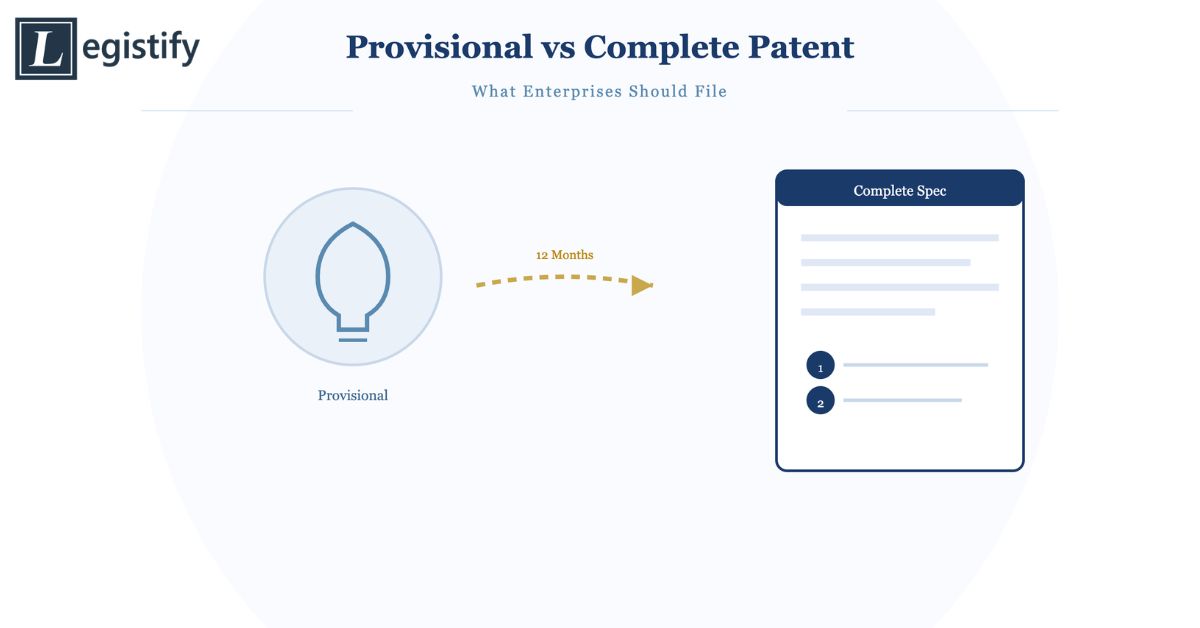
AI tools support patent portfolio management by automating administrative tasks, analysing patent landscapes, and surfacing insights into potential areas for innovation. They also help patent examiners and lawyers identify patterns, keywords, and connections between patents more easily and precisely. By combining natural language processing with AI, patent analysis becomes more comprehensive, helping tools extract relevant information from patent documents and identify potential infringement issues.
Use of AI in Trademark Search and Management
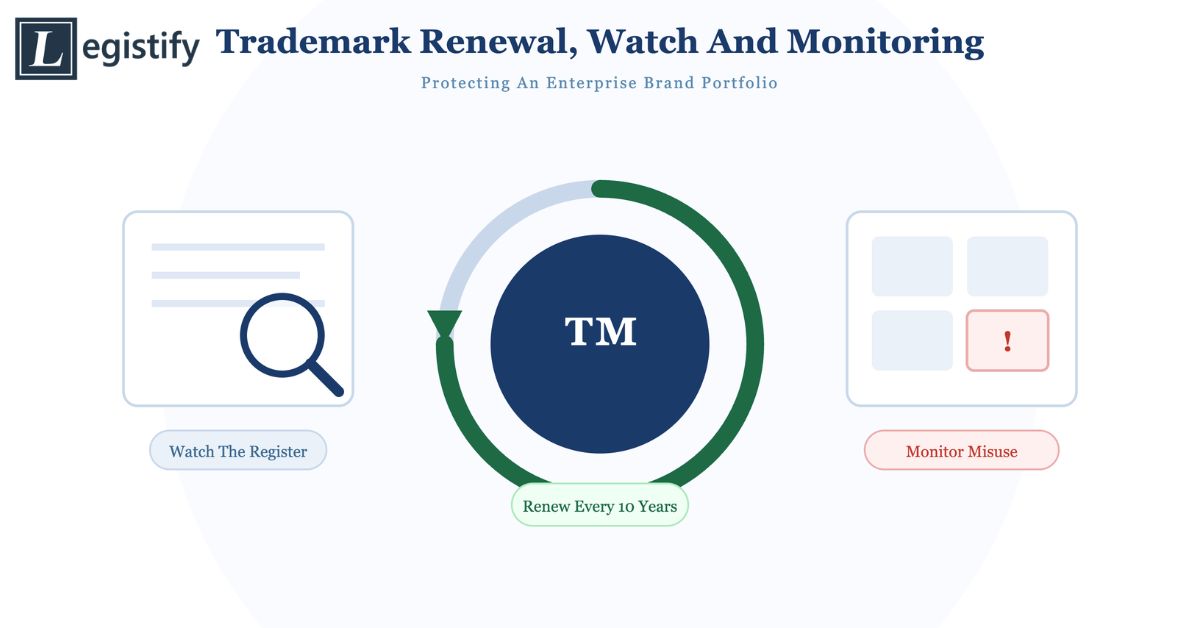
AI also supports trademark search and monitoring. With AI-powered IP management tools, enterprises can scan multiple databases for potential trademark conflicts. AI algorithms analyse large volumes of data, including trademark databases, company names, and product names, to identify potential conflicts, simplifying the process of ensuring new trademarks do not clash with existing ones.
Machine learning algorithms also help identify IP infringement and misappropriation in real time. AI-powered monitoring systems scan websites, social media, and other online platforms to detect unauthorised use of a trademark, logo, or other IP asset, allowing enterprises to act quickly to protect brand reputation and pursue legal action against infringers.
Image and Text Recognition
AI-based IP infringement management includes the ability to recognise images and text, helping enterprises identify unauthorised use of copyrighted content. AI can recognise music, images, and digital content even when they have been modified or altered slightly, which is particularly useful in detecting variations of original content that would otherwise go unnoticed. This allows enterprises to detect and act on potential infringement at an early stage.
Prior Art Search in Patent Filings
AI helps enterprises conduct prior art searches and evaluate the originality of their inventions before filing for patents. Good IP management software compares new innovations against existing patent databases to identify potential infringement issues before they arise, helping enterprises avoid the time and cost associated with later legal disputes.
AI-powered prior art searches also help enterprises manage the complexity of intellectual property regimes. The volume of patents and patent applications can be overwhelming, and AI helps enterprises stay current with developments and identify emerging areas of innovation relevant to their business.
ALSO READ: 7 IP Portfolio Management Challenges In-House Legal Teams Face
Real-time Infringement Detection and Enforcement
AI-powered IP infringement detection and enforcement tools give enterprises a stronger line of defence against infringers. AI systems identify suspicious patterns of activity and potentially harmful counterfeits faster than manual search allows, supporting the removal of counterfeit listings, fake websites, impersonation attempts, and pirated content.
Global Compliance and Cross-Border Enforcement
Good IP management software helps multinational enterprises comply with IP regulations across different countries. It supports cross-border enforcement by tracking and analysing infringement cases across regions, contributing to a more comprehensive IP infringement management strategy that aligns with international regulations and reduces the risk of costly legal disputes.
Challenges Relating to the Use of AI for IP Infringement Management
Data Privacy Issues
Effective AI performance depends on access to large datasets, which makes protecting the privacy and security of that data essential. Unauthorised access or misuse of these datasets can lead to reputational damage, financial loss, and legal action. Enterprises need to implement strong security measures and adhere to robust privacy standards to protect this data and the individuals it represents.
Interpretation of IPR Laws
Even advanced AI systems face real challenges in interpreting the complexities of intellectual property law and infringement disputes. AI is a useful tool across many areas of legal work, but navigating the complexities of IP litigation still requires legal knowledge and human judgment. AI supports lawyers and IP professionals, but it is not a substitute for the expertise needed to resolve complex intellectual property disputes.
Conclusion
AI-based IP infringement management systems have become valuable tools for enterprises looking to prevent intellectual property infringement. With advanced recognition capabilities, automated monitoring, and real-time risk assessment, AI helps enterprises protect their intellectual assets proactively. While AI cannot replace human expertise and strategic thinking, its integration into IP protection strategies improves the efficiency, accuracy, and responsiveness of how enterprises safeguard their innovations and creative works.