Contract Lifecycle Management (CLM) Guide
Contract Lifecycle Management (CLM) is the practice of managing every stage of a contract’s lifecycle — from initiation and drafting to negotiation, execution, performance tracking, and eventual renewal or termination. CLM helps organisations reduce compliance risks, avoid missed deadlines, and capture cost-saving opportunities. By embedding automation and real-time alerts, it ensures contracts are handled efficiently and keeps legal operations aligned with broader business goals.
What is Contract Lifecycle Management?
Contract Lifecycle Management (CLM) is the management of a company’s contracts from creation through execution, performance, and renewal or expiration. It ensures contracts are handled consistently, reducing risk and improving compliance.
As business operations become more complex, managing contracts manually is no longer feasible. CLM provides a systematic framework that improves transparency, accelerates deal closures, and ensures regulatory compliance throughout a contract’s life.
Through CLM, organisations can reduce human error, maintain compliance, and make better use of the data contained in their contract portfolios.
The History of Contract Lifecycle Management
Historically, contract management was done manually using paper-based methods, which were time-consuming and prone to errors. The contract lifecycle was managed by hand — document drafting, approval workflows, and physical storage all required manual effort.
With the rise of digital technology in the early 2000s, document management systems were introduced to digitise contracts. These solutions made it easier to store and retrieve documents, but they still lacked automated features for managing the contract process.
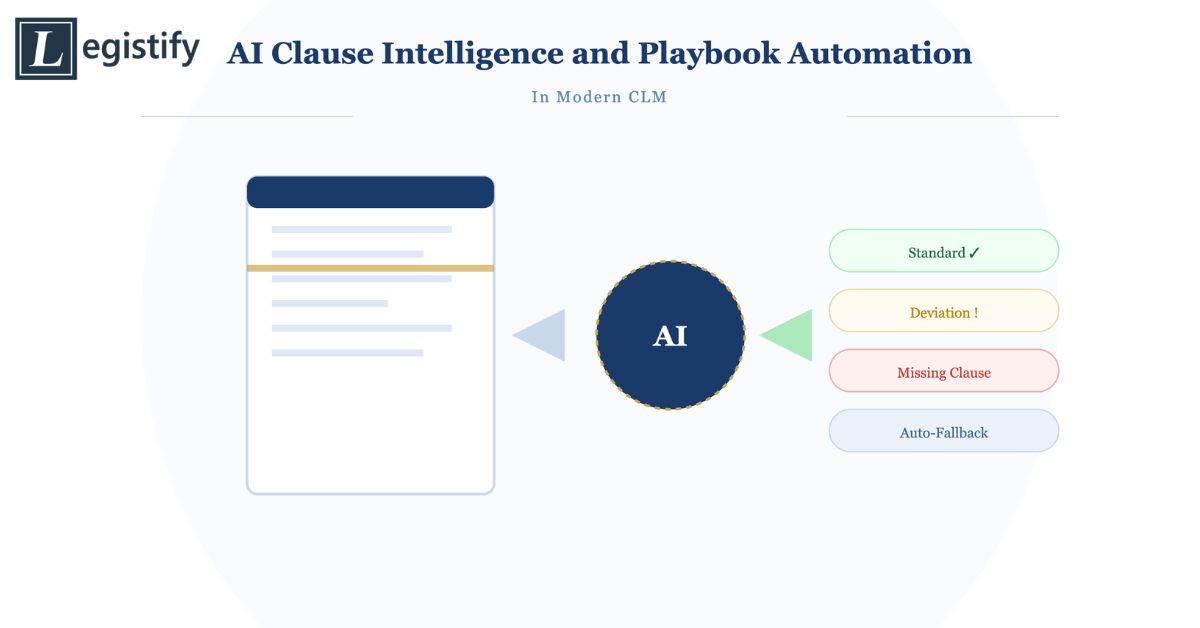
As businesses grew, so did the complexity of managing contracts. CLM evolved alongside these changes, and today’s CLM solutions use artificial intelligence (AI), machine learning (ML), and cloud technology. These developments have transformed CLM from a manual function into a strategic tool that offers greater control, transparency, and efficiency.
CLM has become an essential part of a comprehensive risk management strategy, playing a key role in ensuring legal compliance and operational success.
What is CLM Software?
CLM software is a digital tool designed to help organisations manage the entire lifecycle of contracts. It covers document creation, negotiation, approval workflows, e-signatures, storage, and performance monitoring.
CLM software automates routine tasks and helps organisations track contracts more effectively. Pre-built templates allow stakeholders to draft contracts faster while maintaining consistency and compliance with legal standards. CLM software also integrates with other enterprise systems, improving collaboration across legal, procurement, and sales departments.
With AI and analytics built in, CLM software can analyse contract clauses, assess risks, and ensure contracts align with business goals. This reduces manual errors, improves processes, and accelerates decision-making.
How Does Contract Lifecycle Management Software Work?
CLM software automates and manages the various stages of the contract lifecycle. It integrates with existing enterprise systems such as CRM, ERP, and document management tools, allowing businesses to manage contracts across departments and keep all relevant teams involved.
The software helps users create contracts quickly using templates and clause libraries, then supports collaboration by allowing teams to provide input and track changes in real time. Once a contract is ready, automated approval workflows ensure all necessary stakeholders sign off before execution.
During the performance monitoring phase, CLM software tracks key milestones and obligations, sending alerts when dates or conditions are at risk of being missed. It provides a centralised platform for tracking contracts, audits, and renewals.
CLM software also manages the renewal and termination process by setting reminders for contract expiration and providing tools to review, renegotiate, or terminate contracts as needed.
Key Features of Contract Lifecycle Management Software
CLM software includes several essential features designed to improve contract efficiency and transparency:
- Template Libraries: Pre-built templates simplify contract creation, ensuring consistency and compliance.
- Collaboration Tools: Multiple stakeholders can review, edit, and negotiate contracts in real time, improving communication and speeding up the process.
- Automated Workflows: Automated approval and review workflows ensure timely execution and reduce delays from manual interventions.
- E-signatures: Allows parties to sign contracts electronically, saving time and resources.
- Version Control: Tracks revisions to ensure all changes are properly documented, with access to previous versions.
- Compliance Monitoring: Tracks contract compliance, reducing the risk of violations or missed deadlines.
- Reporting and Analytics: Provides detailed insights into contract performance, supporting informed decision-making.
- Risk Management: Flags potential risks within contracts, such as missing clauses, ambiguous terms, or non-compliance issues.
These features work together to create a unified system that improves productivity and ensures contracts are managed effectively throughout their lifecycle.
Stages of the Contract Lifecycle Management (CLM) Process
The contract lifecycle breaks down into several stages, each with its own tasks and responsibilities:
- Initiation: The lifecycle begins when a need is identified for a new agreement — such as engaging a new supplier or entering a strategic partnership.
- Drafting: The contract is drafted using templates to ensure essential clauses are included. Legal teams or subject matter experts may work together to tailor the document to specific needs.
- Negotiation: Terms are discussed and negotiated between parties. This phase can be lengthy depending on the complexity of the agreement. CLM software supports this stage by enabling real-time collaboration.
- Approval: Once terms are agreed upon, the contract moves through an approval workflow. Stakeholders, including managers and legal experts, review the document before signing.
- Execution: After approval, the contract is executed. CLM software typically includes e-signature functionality for secure signing.
- Performance Monitoring: CLM software tracks the fulfilment of contractual obligations, ensuring deadlines, milestones, and service levels are met.
- Renewal/Termination: As the contract nears expiration, CLM software sends reminders for renewal or termination and supports renegotiation where needed.
Industries and Internal Teams Involved in CLM
Contract Lifecycle Management is relevant across many industries, including:
- Healthcare: Ensuring compliance with regulations such as HIPAA and managing contracts with healthcare providers, insurers, and suppliers.
- Finance: Managing contracts with clients, regulatory bodies, and service providers, ensuring compliance with legal and financial regulations.
- Manufacturing: Managing contracts with suppliers, vendors, and customers, ensuring terms are met and procurement strategies are optimised.
- Retail: Managing contracts with suppliers, partners, and service providers to ensure terms support profitability.
Internally, CLM involves legal, procurement, sales, finance, and compliance teams. Legal teams review contract terms, procurement teams ensure suppliers meet obligations, and finance tracks financial commitments.
Commercial Applications of CLM
CLM solutions are used to support various commercial functions:
- Sales: CLM helps sales teams close deals faster by automating contract approval and reducing bottlenecks.
- Procurement: CLM gives procurement teams the tools to manage supplier contracts, monitor compliance, and track supplier performance.
- Risk Management: CLM helps identify and address risks in contracts, ensuring obligations are met and reducing the likelihood of legal disputes.
How CLM Supports Sales and Revenue Growth
CLM supports sales and revenue growth by ensuring contracts are executed quickly and efficiently. Faster execution allows sales teams to close deals more rapidly, which directly affects revenue generation.
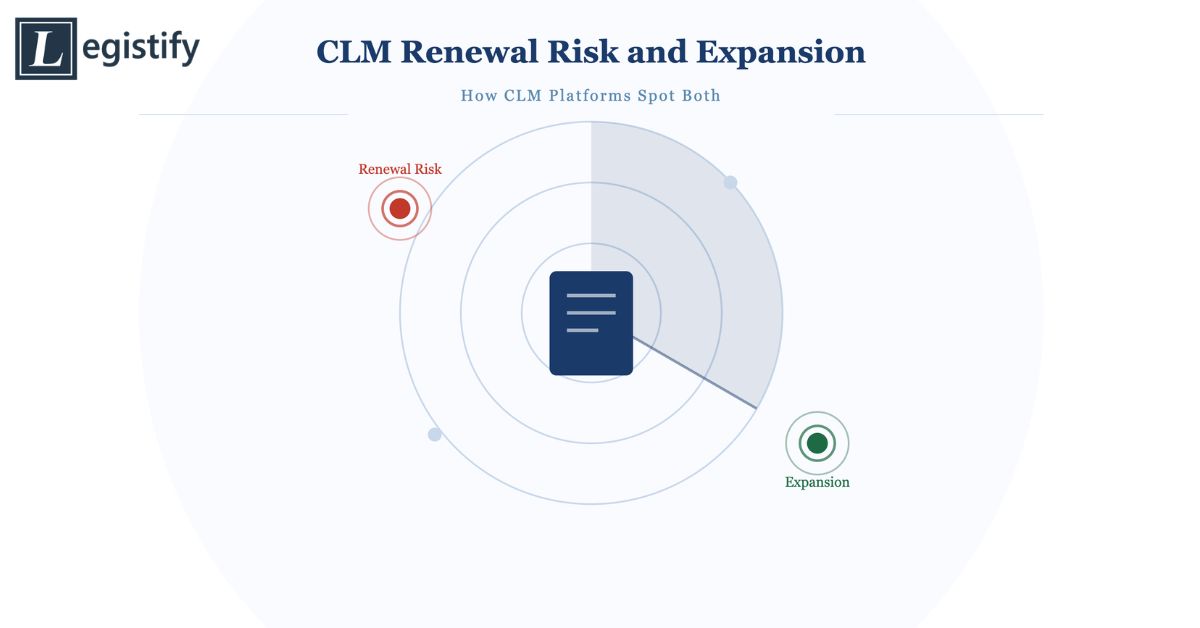
CLM software also identifies revenue opportunities by surfacing insights into contract performance — flagging underperforming contracts or missed opportunities for upselling and cross-selling so teams can take action.
Benefits of Contract Lifecycle Management
CLM improves the efficiency of operations by automating and managing the contract process. It allows teams to focus more on their core work and less on administrative tasks. Key benefits include:
- Improved Efficiency: CLM automates workflows from creation to execution and improves collaboration across teams.
- Better Compliance: CLM ensures all contracts comply with internal policies and external regulations, reducing legal risk.
- Risk Reduction: CLM reduces the risk of missed deadlines, incomplete clauses, and other contract errors.
- Cost Savings: Automating contract management reduces the administrative costs associated with creation, negotiation, and execution.
- Enhanced Visibility: CLM provides real-time visibility into contract performance, keeping all stakeholders informed and deadlines on track.
- Improved Collaboration: CLM supports better communication between teams, reducing errors and delays in contract processing.
How to Implement Contract Lifecycle Management?
To implement CLM effectively, organisations should follow these steps:
- Assess Current Processes: Evaluate existing contract management practices to identify bottlenecks and areas for improvement.
- Select the Right CLM Software: Choose a CLM solution that works with existing enterprise systems and meets the organisation’s needs.
- Define Workflows: Clearly define workflows for each stage of the contract lifecycle and configure the CLM system to automate these processes.
- Train Teams: Ensure all relevant teams are trained on the new CLM software and understand their responsibilities.
- Monitor and Optimise: Evaluate the performance of the CLM system regularly and make adjustments to improve efficiency and compliance.
Legistify’s Contract Intelligence Software
Legistify Contract Intelligence gives organisations a platform to manage the full contract lifecycle with AI-powered automation. It supports contract creation, approval, and management while maintaining compliance and reducing risk. Finance and legal teams get a consistent view of contractual commitments, renewal exposure, and performance data to support better decisions.

How to Choose the Best Sales Technology?
When selecting CLM software, consider these factors:
- Ease of Integration: Choose a solution that connects with existing systems such as CRM and ERP platforms.
- Scalability: The software should scale as your business grows and your needs evolve.
- User-Friendliness: Ensure the software is intuitive and easy to use for all stakeholders.
- Support and Training: Confirm the provider offers adequate support and training to help teams adopt the new software.
What’s Next for CLMs?
The future of CLM is closely linked to advances in AI and automation. Future solutions will likely include more sophisticated AI-driven features such as predictive analytics for risk identification and automatic contract renegotiation tools. Blockchain technology may also play a role in providing additional security and transparency to contract management.
Conclusion
Contract Lifecycle Management is a practical requirement for organisations managing large volumes of contracts. By using CLM software, organisations gain better collaboration, faster deal closures, and consistent compliance across every stage of the contract lifecycle. As the demands on legal and commercial teams grow, CLM will continue to play an increasingly important role in how enterprises manage their contractual obligations.